Nootropics

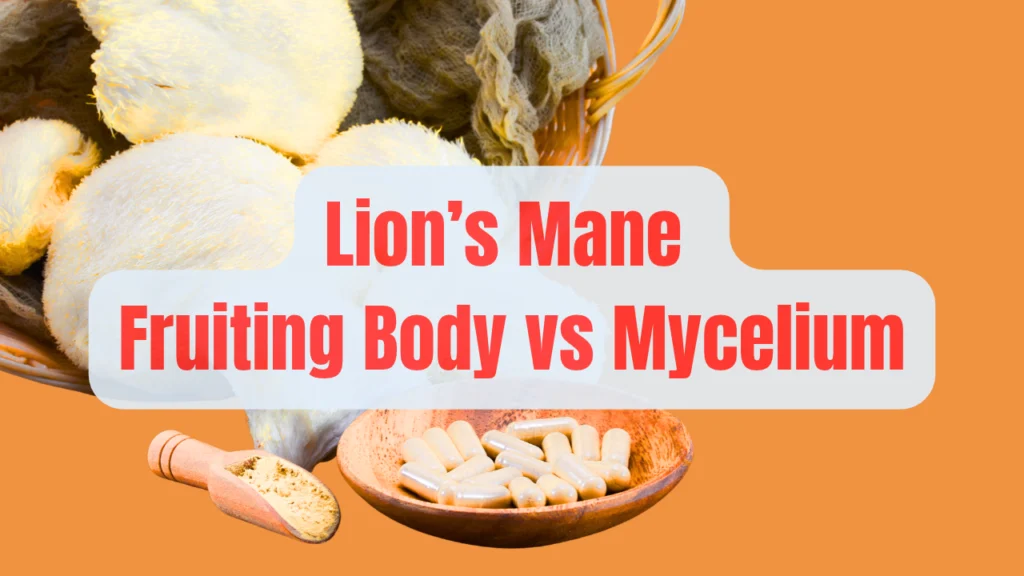
Lion’s Mane Fruiting Body vs Mycelium

Lion’s Mane Fruiting Body vs Mycelium: Which Is Better?

If you’ve spent even a few minutes shopping for Lion’s Mane, you’ve probably encountered one of two claims: “Only buy fruiting body.” or: “Mycelium contains the real brain compounds.” Both statements are too simplistic. Lion’s Mane—Hericium erinaceus—is a fungus. And just like a plant has roots, stems, leaves, flowers, and fruit, a fungus has distinct

Lion’s Mane Fruiting Body vs Mycelium: Which Is Better? Read More »
Rhodiola Side Effects

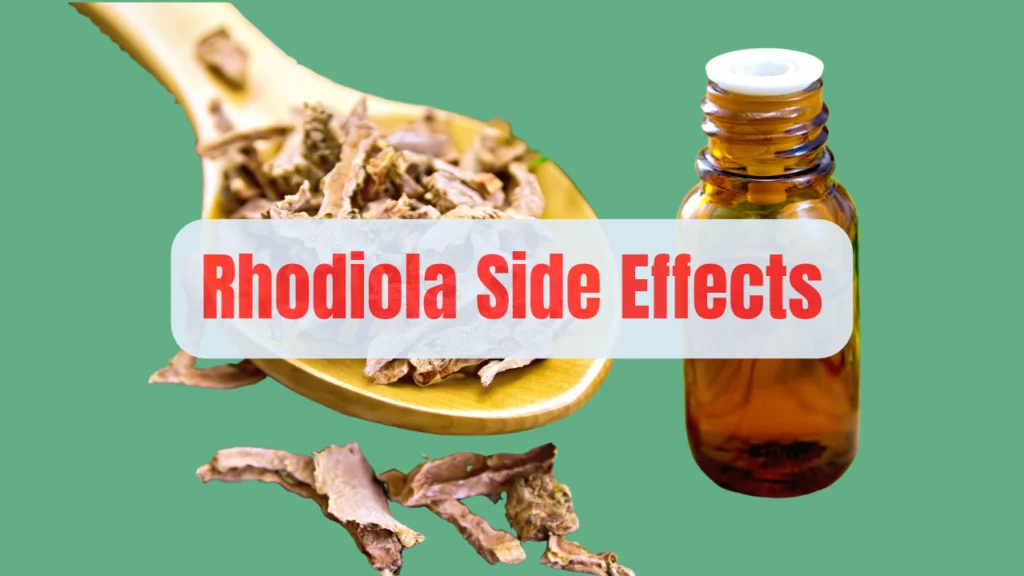
Rhodiola Side Effects, Drug Interactions & Who Should Avoid It

Rhodiola rosea is usually marketed as a natural way to: reduce fatigue, handle stress better, and support mental energy. And compared with many supplements, its short-term safety record in clinical trials is reasonably reassuring. But that does not mean: Rhodiola is side-effect-free. Nor does it mean: Rhodiola can be combined safely with every medication. Rhodiola

Rhodiola Side Effects, Drug Interactions & Who Should Avoid It Read More »

Rhodiola for Stress and Fatigue

Rhodiola for Stress and Fatigue: Does It Actually Work?

Rhodiola is usually sold with a simple promise: more resilience to stress and less fatigue. It is one of the supplements most commonly described as an: adaptogen. And unlike many herbs surrounded almost entirely by traditional claims, Rhodiola rosea does have human clinical research behind it. Trials have studied Rhodiola in: Some of those studies

Rhodiola for Stress and Fatigue: Does It Actually Work? Read More »

How Long Does Rhodiola Take to Work

How Long Does Rhodiola Take to Work? Stress, Fatigue & Energy Timeline

You take your first Rhodiola capsule in the morning. An hour passes. Should you feel more energetic? Should mental fatigue disappear? Or do you need to take it every day for several weeks before deciding whether it works? The answer is unusual because Rhodiola has been studied both acutely and over longer periods. That makes

How Long Does Rhodiola Take to Work? Stress, Fatigue & Energy Timeline Read More »

When to Take Rhodiola?

When to Take Rhodiola? Morning vs Night, With or Without Food

Rhodiola is often described as an “energizing adaptogen.” That leads to a familiar recommendation: Take it in the morning. Some supplement labels go further and recommend taking it: before breakfast or: before breakfast and lunch. Other products simply say: take once or twice daily. So which is actually best? Morning? Afternoon? Before a workout? On

When to Take Rhodiola? Morning vs Night, With or Without Food Read More »

Rhodiola Dosage

Rhodiola Dosage: How Much Rhodiola Rosea Should You Take?

Search for the best Rhodiola dosage and you’ll usually get an answer like: 200–600 mg per day. That range isn’t unreasonable. Human studies have used doses within it. But it leaves out the most important part of the question: 200–600 mg of what? A 200 mg standardized Rhodiola rosea extract containing clearly disclosed rosavins and

Rhodiola Dosage: How Much Rhodiola Rosea Should You Take? Read More »

Rosavins vs Salidroside

Rosavins vs Salidroside: What Should a Good Rhodiola Supplement Contain?

You pick up two Rhodiola supplements. One says: 500 mg Rhodiola rosea — standardized to 3% rosavins and 1% salidroside. The other says: 500 mg Rhodiola — standardized to 3% salidroside. At first glance, the second product might look stronger. After all: 3% salidroside sounds better than 1%. But that is not necessarily the better

Rosavins vs Salidroside: What Should a Good Rhodiola Supplement Contain? Read More »

Rhodiola Rosea vs Rhodiola Crenulata

Rhodiola Rosea vs Rhodiola Crenulata: What’s the Difference and Which Should You Choose?

You buy a supplement labeled: Rhodiola 500 mg. It sounds straightforward. But there is an important question hiding behind that label: Which Rhodiola? The genus Rhodiola contains many species. Two of the most commercially important are: Rhodiola rosea and: Rhodiola crenulata. They are related plants. Rhodiola Rosea vs Rhodiola Crenulata They both grow in harsh,

Rhodiola Rosea vs Rhodiola Crenulata: What’s the Difference and Which Should You Choose? Read More »

Ashwagandha Side Effects

Ashwagandha Side Effects, Drug Interactions & Who Should Avoid It

Ashwagandha is frequently described as a natural supplement for stress and sleep. That can make it sound almost automatically safe. For most healthy adults using standardized extracts for a few weeks or months, the available clinical evidence is reasonably reassuring. But “generally well tolerated” is not the same as: safe for everyone. Ashwagandha Side Effects

Ashwagandha Side Effects, Drug Interactions & Who Should Avoid It Read More »

Ashwagandha for Sleep

Ashwagandha for Sleep: Does It Actually Help You Sleep Better?

Ashwagandha is often marketed as something that can: reduce stress during the day and then: help you sleep better at night. That sounds convenient. Ashwagandha for Sleep But does the sleep claim actually hold up? Compared with many popular supplement claims, the answer is surprisingly encouraging. Randomized controlled trials have reported improvements in: A systematic

Ashwagandha for Sleep: Does It Actually Help You Sleep Better? Read More »